Start eight weeks out and book six to eight weeks ahead. Sort before you pack a single carton, and settle the delivery window in writing before the truck loads. A long distance move is basically a local move with the margin for error removed, because nobody drives back for the thing you forgot.
We have run interstate loads out of the Central Coast since 2002 as a reliable moving company with its own long-haul drivers. The moves that go smoothly are planned backward from the delivery date. That’s kind of the whole trick.
What Counts as a Long Distance Move
The dividing line we use is distance from home base. A local move is any relocation within a hundred miles of Santa Maria, and anything beyond that is long distance. That covers the obvious cases out of state and the less obvious ones.
A move from Santa Maria, California, to Sacramento counts. So does the far side of Los Angeles County, which many people assume is still local. You know, it catches a lot of folks off guard.
The distinction matters because the two are organized differently. Local moves are built around a crew and a clock. Long distance moves are built around a load, a driver, and a delivery window.
The paperwork, the inventory, and the timing all carry more weight. Ask any company you are comparing where their line sits. A mover who treats a two hundred mile move as a long local job will quote it and schedule it that way too.
Build the Timeline Backward From the Delivery Window
Fix the date you need to be living in the new place, then count backward. Eight weeks out is when the planning starts, and six to eight weeks out is when the mover gets booked. Four weeks out is for sorting and for arranging storage if the dates do not meet.
Two weeks out is for the serious packing. The final week is for access details and for the things that travel in your car. Maybe it feels early, but it really isn’t.
Interstate delivery is a window rather than a date, and how wide it runs is the most useful question you can ask a mover. We quote long distance moving against a window we can hold rather than a date we cannot.
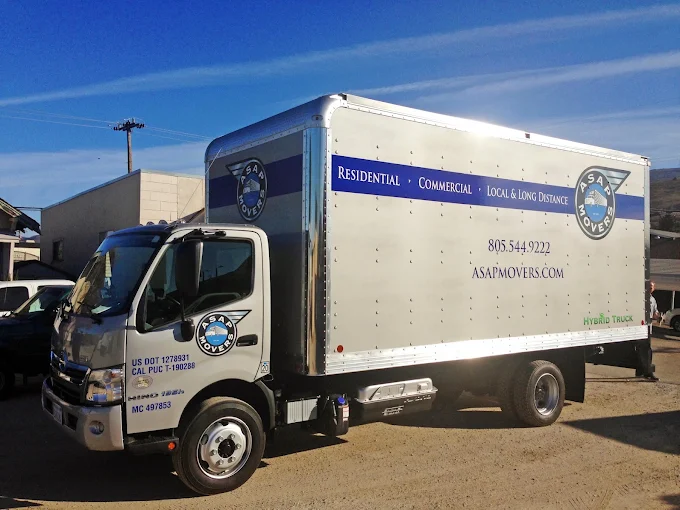
Our long distance loads travel one client at a time rather than consolidated with other households, which is what keeps the window narrow. Our fleet of more than twenty vehicles is GPS-tracked in real time.
The office can tell you where your shipment is on the road, which is a bit of a relief. Ask every company you call how their loads travel and how you find out where yours is. The answers vary more than people expect.
What to Sort, Sell or Leave Behind
Every carton on a long haul costs money to move, which makes sorting the only step that shrinks the job instead of rearranging it. Work room by room, finish sorting before any packing starts, and be harder on yourself than you would for a move across town. It’s not fun, but it pays off.
- Furniture that will not fit the new floor plan. Measure the rooms you are moving into before you decide what travels. Oversized pieces rarely survive the move to a smaller house as anything but a problem.
- Anything you would replace for less than the cost of moving it. Garage shelving, cheap bookcases, worn patio furniture.
- Items on the non-allowable list. Fuel, propane, aerosols, paint, and similar goods cannot ride on the truck. Our list is published in the moving resources section of our site, so read it early rather than on load day.
- Duplicates. Two sets of everything in the kitchen become one set in the new house, and a long haul is the moment to make that call.
- Documents you will want on the road. These travel with you, not in a carton.
Most tips for a successful move start with the same purge, and they apply here with more force. Books and tools are the two categories that most often get underestimated, because weight accumulates quietly. A shelf of hardbacks fills a small carton, and that carton is heavier than it looks.
Want the sorting done before the quote? Give us a call at (805) 544-9222, and we’ll set a time that works around your Santa Maria move.
How the Shipment Travels and Who Handles It
Interstate moving goes wrong most often at the handoffs. Agent networks book a load locally, run it on a shared truck, then hand it to a different company at the far end. The people unloading your furniture never met the people who loaded it. That structure is normal across the industry, and it is worth understanding before you sign anything.
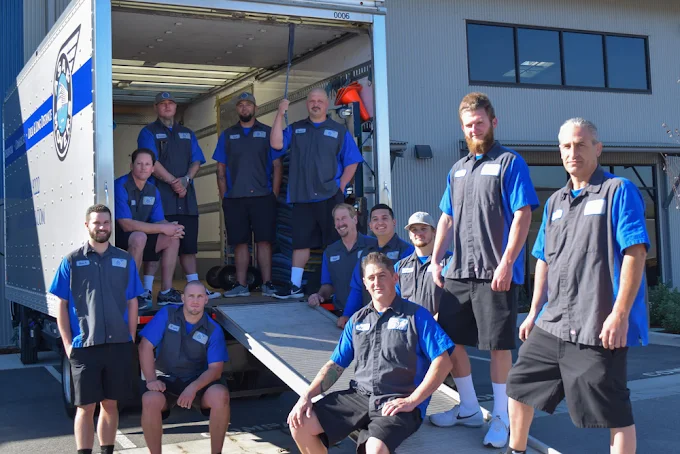
Our model is the other one, with our own crews and our own long-haul drivers running interstate loads. The crew that loads your household is made up of permanent employees who are background-checked, drug-screened, and trained before they work a customer’s job.
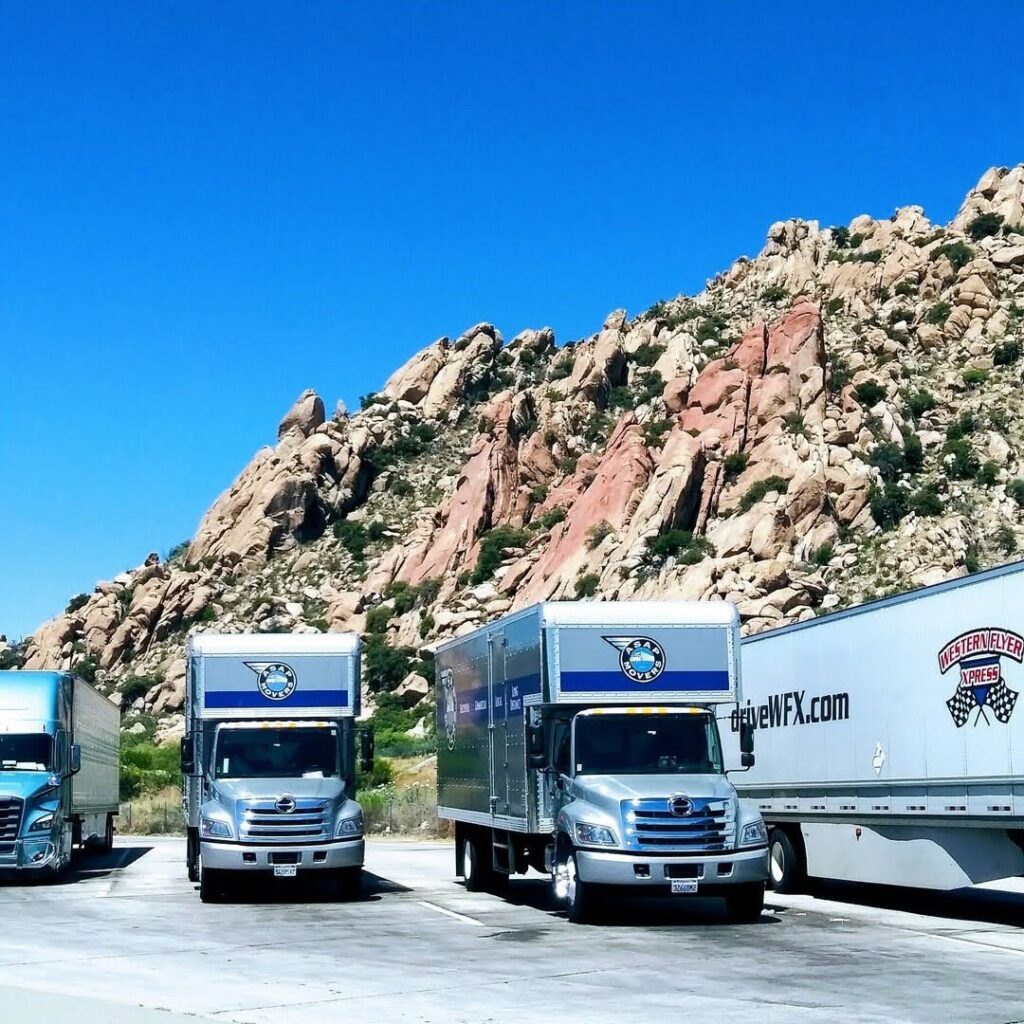
One office answers the phone when you call about it, from day one to the final placement. One company holds the shipment throughout, and customers moving out of state usually ask us about accountability before they ask about price.
What Travels With You, Never on the Truck
Some things should never leave your hands, and the list is short enough to pack into a single bag. Passports, birth certificates, titles, medical records, and anything else that would take months to replace.
Medication, including the refills you will need before you have found a new pharmacy. Jewelry, cash, and small items of real sentimental value, plus keys, chargers, laptops, and the paperwork for the move itself.
Add an overnight bag for each person, with a change of clothes, toiletries, phone chargers, and bedding if you can fit it. Interstate delivery windows shift.
The difference between a comfortable arrival night and a miserable one is usually one bag packed deliberately. Once the truck does arrive, settling into a new home goes faster when boxes were labeled by destination room rather than by origin.
The Week Before the Truck Loads
Access details decide whether load day runs long, and they are entirely preventable. Confirm where a tractor-trailer can legally park at both addresses. Many residential streets and most apartment complexes cannot take one, and a shuttle is the alternative nobody plans for.
Confirm the rest in one call. Gate codes, elevator reservations, building move-in windows, stairs at either end, and anything that needs disassembly. Walk the house with the crew chief on load morning. Point out what stays, what is fragile, and what you are carrying yourself.
Have questions about your move, or just want to talk through your options first? Contact us, and we’ll help you figure out the right next step. You can also reach us at (805) 544-9222 or info@asapmovers.com. Our team is based at 1310 W McCoy Ln, Santa Maria, CA 93455.
Related Topics: